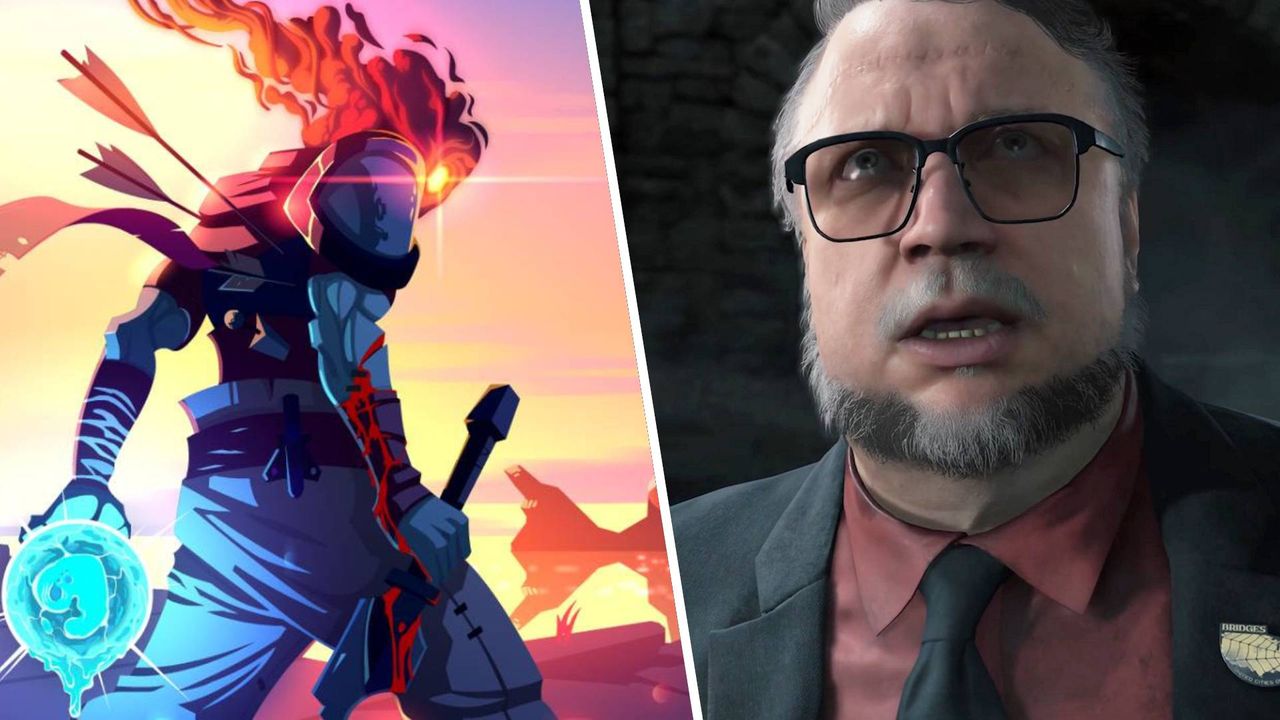
In a delightful intersection of Hollywood and gaming culture, acclaimed filmmaker Guillermo del Toro recently revealed his passion for the notoriously challenging action-roguelike Dead Cells during an IGN interview on July 29. The Oscar-winning director, known for his fantastical visual storytelling in films like Pan’s Labyrinth and The Shape of Water, expressed both his love for the indie hit and his frustration with its punishing difficulty mechanics. However, in a charming turn of events, the game’s developer Motion Twin has reached out with a helpful suggestion: the easy mode he’s been wishing for already exists in the game.
Motion Twin’s response to del Toro’s comments was filled with genuine appreciation and a touch of humor. “We’d like to officially add this moment into our own personal Cabinet of Curiosities,” the studio told IGN, cleverly referencing del Toro’s own Netflix anthology series. “We are surprised and truly honored to see that Mr. del Toro is a Dead Cells player, and we can even help him right now: there is an Assist mode in the game!” The developers went on to explain that this mode allows players to resurrect at the start of their current biome or nearest checkpoint, rather than being forced to restart their entire run from scratch—a feature that addresses del Toro’s primary complaint.
Del Toro’s Gaming Frustrations Echo a Common Player Experience
During the original interview, del Toro articulated a sentiment that resonates with many players who struggle with the roguelike genre’s signature punishing mechanics. “You get 35 levels in and then you start again, you get faster, but please do a version without respawning for the elderly players,” the 60-year-old director quipped. His frustration highlights a broader conversation within the gaming community about accessibility and difficulty options in modern games. The roguelike genre, which traces its roots back to the 1980 dungeon crawler Rogue, has traditionally been defined by permadeath and procedurally generated content—design choices that create tension and replayability but can also alienate players who have limited time or simply prefer a less punishing experience.
Dead Cells, released in 2018 by the French studio Motion Twin, quickly became a landmark title in the roguelike-metroidvania hybrid genre. The game combines fast-paced combat with exploration elements, requiring players to navigate procedurally generated levels while collecting weapons, upgrades, and abilities. Upon death, players lose most of their progress and must start anew, though certain permanent upgrades carry over between runs. This design philosophy has earned the game critical acclaim and commercial success, selling millions of copies across multiple platforms and winning numerous awards including Best Action Game at The Game Awards 2018.
The Ongoing Debate About Difficulty and Accessibility in Gaming
Del Toro’s public comments and Motion Twin’s gracious response shine a spotlight on the ongoing industry-wide conversation about game accessibility. In recent years, developers have increasingly embraced accessibility features, from colorblind modes to customizable difficulty settings. Games like Celeste have been praised for offering extensive assist options without compromising their core identity, while titles like FromSoftware’s Elden Ring and Dark Souls series have sparked debate by intentionally omitting traditional easy modes. Dead Cells’ Assist mode represents a middle ground, giving struggling players tools to progress while maintaining the game’s fundamental design principles.
It’s worth noting that del Toro’s oversight regarding the Assist mode is an entirely relatable mistake that gamers of all skill levels make regularly. As gaming journalists have observed, one of the most common search queries they encounter is “How do I save in [X new videogame]”—a question frequently answered simply by accessing the pause menu. Modern games often bury helpful features within complex menu systems, and even experienced players can miss options that would significantly improve their experience. Del Toro, who has previously spoken about his love of video games and has even collaborated with game designer Hideo Kojima on projects, is hardly alone in occasionally missing a helpful feature hidden within a game’s settings.
A Celebrated Director’s Love Affair With Video Games
Guillermo del Toro’s interest in video games extends far beyond casual play. The director has been a vocal advocate for the medium as an art form and has actively participated in game development. His most notable gaming collaboration was with legendary designer Hideo Kojima on the cancelled Silent Hills project, which produced the legendary playable teaser known as P.T. that is still discussed reverently in gaming circles years after its removal from digital storefronts. Del Toro’s appreciation for games clearly encompasses both major studio productions and indie darlings like Dead Cells, demonstrating the breadth of his engagement with interactive entertainment. His willingness to publicly discuss both his enjoyment of and struggles with Dead Cells only endears him further to the gaming community, which has responded warmly to this unexpected celebrity endorsement.
Motion Twin’s response exemplifies the positive relationship that can exist between developers and their player community, regardless of that player’s celebrity status. By responding with humor, gratitude, and practical assistance, the studio transformed a potential moment of mild embarrassment into a heartwarming exchange that benefits everyone involved. Del Toro now has the information he needs to potentially overcome his frustrations with the game, Motion Twin receives invaluable publicity and goodwill, and the gaming community gets to witness a charming interaction that reminds us why we love this medium. Perhaps most importantly, this exchange reinforces that there’s no shame in using accessibility features—if an acclaimed visionary director needs Assist mode to enjoy a game, then surely anyone can feel comfortable doing the same.
Expert Opinion: This exchange between del Toro and Motion Twin illustrates a crucial shift in gaming culture toward greater acceptance of accessibility options. As the average gamer demographic continues to age—with many original Nintendo generation players now in their 40s and 50s—developers who embrace scalable difficulty without stigma will likely see expanded audiences and longer player engagement. The industry should take note: making games more accessible doesn’t diminish their artistic integrity; it amplifies their reach and cultural impact.