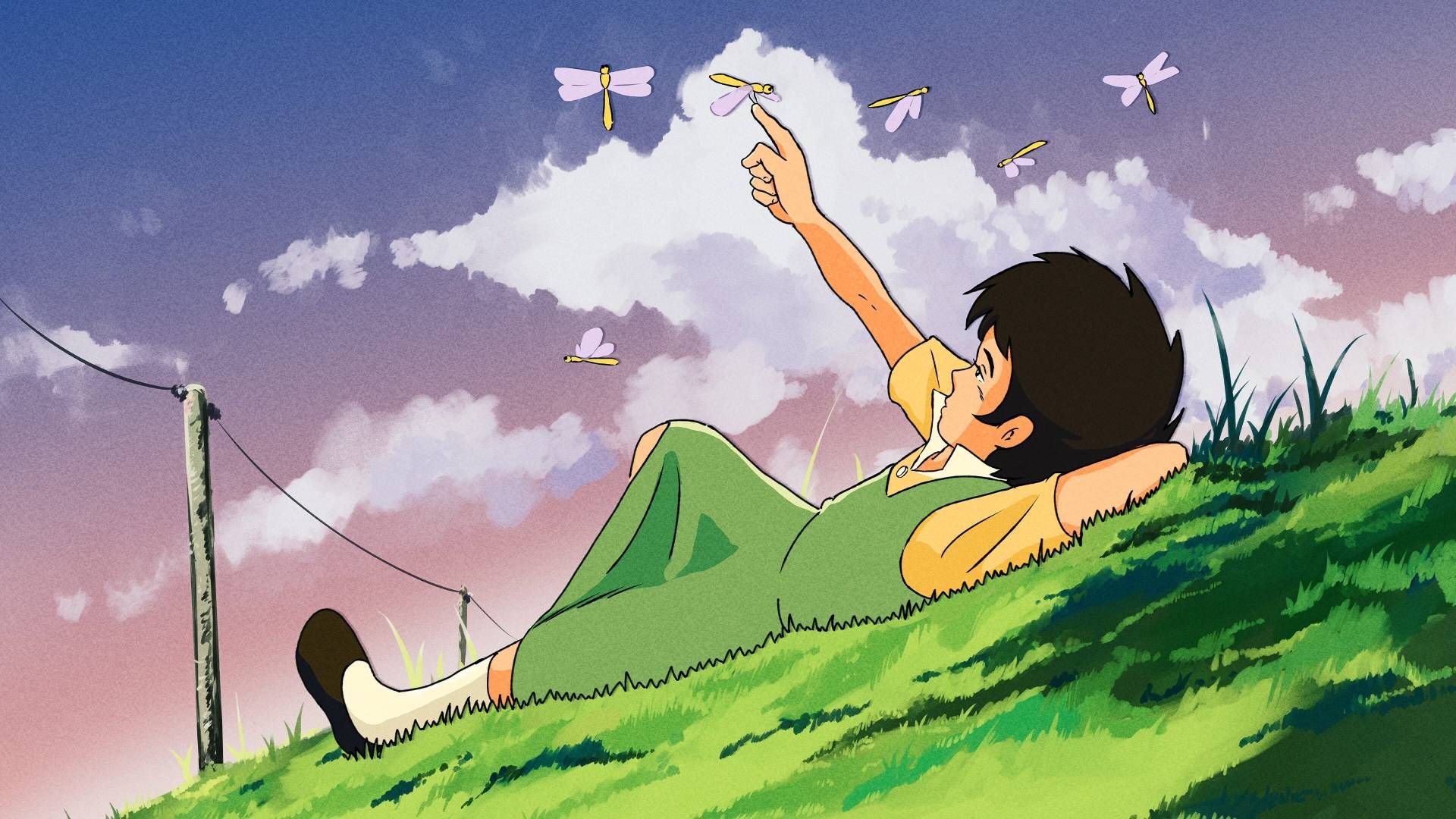
The gaming industry has long admired the enchanting aesthetic of Studio Ghibli, with countless developers attempting to capture the magic that has made films like Spirited Away, My Neighbor Totoro, and Howl’s Moving Castle beloved worldwide. While Studio Ghibli has occasionally ventured into interactive entertainment—most notably with the underappreciated Magic Pengel on PlayStation 2—very few games have successfully translated the studio’s distinctive combination of visual artistry, emotional depth, and thematic resonance into playable form. Creating something that merely looks like a Miyazaki or Takahata film without capturing the underlying heart and soul results in nothing more than a beautiful but hollow imitation.
Now, a new life simulation game is emerging that appears to genuinely understand what makes Studio Ghibli’s work so universally cherished. Combining the addictive farming and community-building mechanics popularized by Stardew Valley with an art style that could have been lifted directly from a Ghibli animation cel, this upcoming title is generating significant excitement among fans of both genres. The game promises not just surface-level aesthetic appeal, but a genuine commitment to the themes of nature, community, and personal growth that define the Japanese animation studio’s filmography.
The Challenge of Capturing Ghibli Magic
Studio Ghibli’s influence on visual media cannot be overstated. Founded in 1985 by legendary directors Hayao Miyazaki and Isao Takahata, the studio has produced some of the most critically acclaimed animated films in history. Their work is characterized by hand-drawn animation of extraordinary detail, complex characters who defy simple categorization, and narratives that seamlessly blend fantasy with profound observations about humanity’s relationship with nature and technology. These elements combine to create experiences that resonate with audiences across cultures and generations, earning numerous Academy Awards and establishing animation as a legitimate art form in Western consciousness.
Translating this magic into interactive entertainment presents unique challenges. Video games require mechanical systems, player agency, and repetitive engagement loops—elements that can sometimes conflict with the contemplative, narrative-driven nature of Ghibli’s films. Previous attempts have often succeeded visually while failing to capture the emotional essence. Ni no Kuni, developed by Level-5 with actual Studio Ghibli collaboration, came closest to achieving this balance, featuring animation sequences produced by the studio itself. However, even that celebrated title received mixed reactions regarding whether its gameplay truly embodied Ghibli’s spirit or merely borrowed its appearance.
Life Simulation as the Perfect Canvas
The life simulation genre may actually provide the ideal framework for a Ghibli-inspired gaming experience. Unlike action-oriented titles that demand constant conflict, farming simulators encourage players to slow down, appreciate natural cycles, and build meaningful connections with virtual communities. This gameplay philosophy aligns remarkably well with recurring Ghibli themes—the importance of honest work, respect for the environment, and the profound satisfaction found in simple daily rituals. Stardew Valley demonstrated that millions of players hunger for these gentler gaming experiences, selling over 30 million copies by offering an escape from both real-world stress and the competitive nature of mainstream gaming.
The new title reportedly embraces these principles while adding distinctly Ghibli-inspired elements. Players can expect encounters with whimsical spirits reminiscent of the soot sprites from Spirited Away, environmental storytelling that emphasizes ecological harmony, and character relationships that develop with the nuance and authenticity found in films like Only Yesterday and Whisper of the Heart. The developers have reportedly studied Ghibli’s approach to depicting mundane activities as meditative and meaningful, hoping to translate those quiet moments of beauty into interactive form.
A New Era for Cozy Gaming
This release arrives during what many industry observers are calling a golden age for cozy gaming. Following the massive success of Animal Crossing: New Horizons during the global pandemic, developers have increasingly recognized the commercial viability of relaxing, non-violent gaming experiences. Titles like Spiritfarer, A Short Hike, and the aforementioned Stardew Valley have proven that emotional depth and gentle gameplay can coexist with commercial success. A Ghibli-inspired entry into this space could potentially elevate the entire genre, demonstrating that cozy games can achieve artistic heights previously reserved for more traditional narrative experiences.
Expert Opinion: The convergence of Studio Ghibli aesthetics with life simulation mechanics represents a natural evolution in cozy gaming. If executed thoughtfully, this title could establish a new benchmark for how games translate beloved animation styles into interactive experiences, potentially inspiring a wave of similar projects that prioritize emotional authenticity over mere visual mimicry. The key to success will be whether developers understand that Ghibli’s magic lies not in its appearance, but in its unwavering respect for both its subjects and its audience.