In an era where live service updates and downloadable content dominate the gaming landscape, two beloved titles from 2018 are experiencing remarkable revivals without a single line of new code being written. Assassin’s Creed Odyssey and Marvel’s Spider-Man are surging back into relevance, driven not by patch notes or expansion packs, but by the magnetic pull of Hollywood blockbusters. This phenomenon is reshaping how industry observers understand the symbiotic relationship between cinema and interactive entertainment, suggesting that sometimes the most powerful game update comes from a movie theater rather than a development studio.
Key Takeaways
- Assassin’s Creed Odyssey saw an estimated 90% jump in player engagement within ten days of Christopher Nolan’s ‘The Odyssey’ theatrical release
- Marvel’s Spider-Man Remastered and Spider-Man 2 returned to Steam’s Top 10 following the $927 million opening weekend of ‘Spider-Man: Brand New Day’
- Sony coordinated a Steam sale with the film’s premiere, showing deliberate cross-platform marketing between its gaming and film divisions
- Multiple licensed games based on film IPs are in development, including a John Wick game and titles for Halloween and Hellraiser franchises
- A live-action Legend of Zelda film is in development, raising questions about whether theatrical releases can similarly boost Nintendo’s game sales
The numbers tell a compelling story. Assassin’s Creed Odyssey, Ubisoft’s sprawling Ancient Greek adventure, has witnessed an estimated 90% jump in player engagement in the ten days following Christopher Nolan’s theatrical release of “The Odyssey.” Meanwhile, Marvel’s Spider-Man Remastered and its sequel have swung back into Steam’s Top 10 best-selling games list, propelled by the record-breaking success of “Spider-Man: Brand New Day,” which secured the second-biggest opening weekend in box office history with a staggering $927 million haul. These statistics point to a new paradigm in entertainment consumption, where audiences actively seek to extend their experiences across multiple media platforms.
Nolan's 'The Odyssey' Sends Players Back to Ancient Greece
Christopher Nolan’s “The Odyssey” has become nothing short of a cultural phenomenon, dominating both theatrical attendance and social media discourse for weeks. The acclaimed director’s interpretation of Homer’s ancient epic poem has captivated audiences worldwide, and many of those viewers are finding themselves drawn to Ubisoft’s 2018 masterpiece as a way to continue their journey through Ancient Greek mythology. While Assassin’s Creed Odyssey doesn’t directly adapt Homer’s Odyssey, it shares the same rich mythological tapestry, featuring encounters with legendary creatures, gods, and heroes that populated the ancient Mediterranean imagination.
The timing couldn’t be more fortuitous for Ubisoft, which has faced significant challenges in recent years. The company’s stock has fluctuated dramatically amid concerns about franchise fatigue and development delays, making this unexpected resurgence particularly welcome. Assassin’s Creed Odyssey originally launched to critical acclaim, praised for its vast open world depicting Ancient Greece during the Peloponnesian War, its branching narrative featuring player choice, and its memorable protagonists Kassandra and Alexios. The game allowed players to explore meticulously recreated versions of Athens, Sparta, and dozens of islands while encountering figures from both history and mythology, including the Minotaur, Medusa, and the Sphinx. This blend of historical accuracy and mythological fantasy makes it an ideal companion piece for anyone emerging from Nolan’s cinematic vision hungry for more Greek adventure.
Spider-Man Games Ride the Box Office Wave
| Film | Related Game | Reported Effect |
|---|---|---|
| The Odyssey (Nolan) | Assassin's Creed Odyssey | ~90% player engagement increase in 10 days |
| Spider-Man: Brand New Day | Marvel's Spider-Man Remastered / Spider-Man 2 | Returned to Steam Top 10 best-sellers |
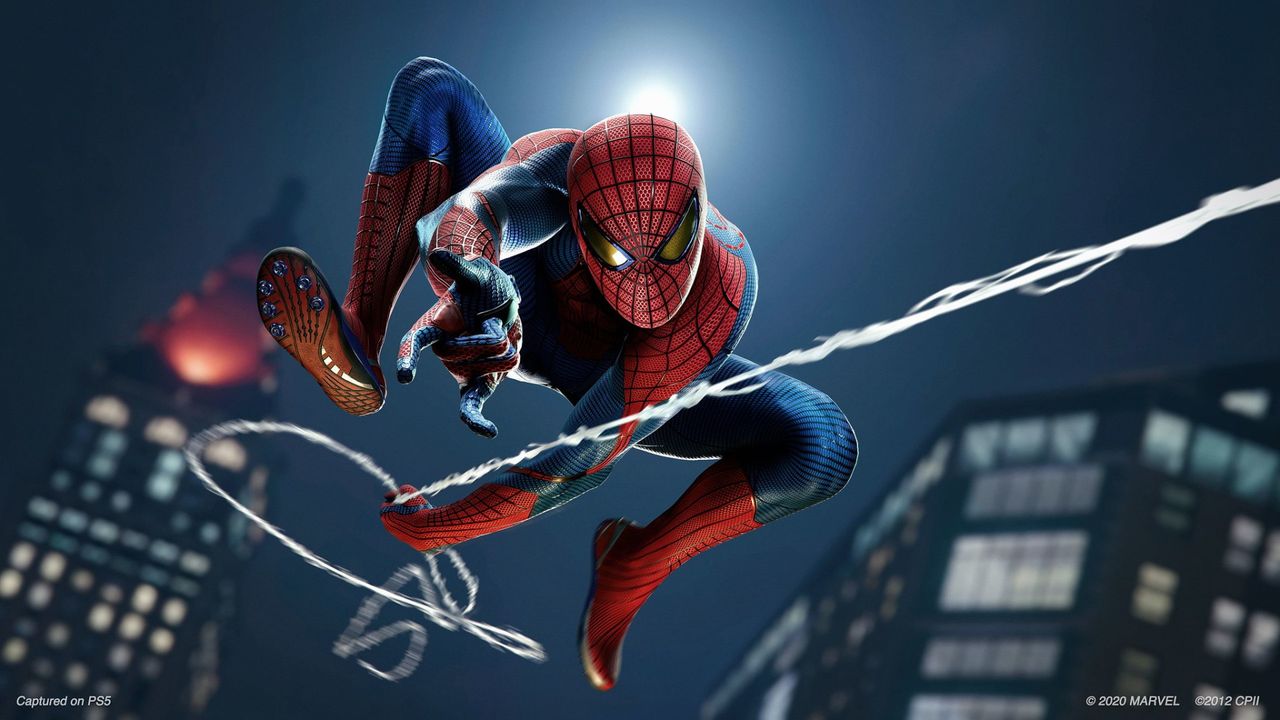
The Marvel’s Spider-Man franchise is experiencing its own Hollywood-driven renaissance. “Spider-Man: Brand New Day” has proven to be a commercial juggernaut, and Sony has strategically capitalized on this success by launching an attractive Steam sale coinciding with the film’s opening weekend. This coordinated approach demonstrates sophisticated cross-platform marketing, leveraging the excitement generated by one entertainment product to drive sales of another. Both Marvel’s Spider-Man Remastered, which brought the PlayStation 4 classic to PC players, and Marvel’s Spider-Man 2 have benefited enormously from this synergy.
For Sony and PlayStation, this success validates their ongoing strategy of building interconnected entertainment ecosystems. The company has invested heavily in bridging the gap between its gaming division and its film production arm, Sony Pictures Entertainment. The Spider-Man games, developed by Insomniac Games, have consistently delivered critically acclaimed experiences that capture the essence of web-slinging through a detailed recreation of New York City. With combined sales exceeding 50 million copies across the franchise before this latest surge, the games have established themselves as definitive Spider-Man experiences in their own right, now serving as perfect companions to the theatrical experience.
Film and Gaming Industries Growing Closer Than Ever
This trend of film-game crossover speaks to broader shifts within the entertainment industry. We’re witnessing an unprecedented era of convergence, where intellectual properties flow freely between media formats, each iteration supporting and enhancing the others. Recent years have seen a general increase in licensed game adaptations of movie IPs, with titles like “007 First Light” and “Indiana Jones and the Great Circle” representing notable examples of games centered on iconic cinematic figures. Saber Interactive is reportedly developing an untitled John Wick game, while horror enthusiasts can anticipate “Halloween: The Game” and “Clive Barker’s Hellraiser: Revival,” both scheduled for 2026 releases.
The question now becomes whether this phenomenon will work equally effectively in reverse. With a live-action Legend of Zelda film in development, industry observers are curious whether theatrical success could drive renewed interest in games like “The Legend of Zelda: Tears of the Kingdom.” Numerous other video game adaptations are currently in various stages of production, from major studio releases to streaming series. The historical stigma that once plagued video game movies—exemplified by critical disasters like the original “Super Mario Bros.” film or the “Street Fighter” adaptation—has largely evaporated following successes like “The Super Mario Bros. Movie” and “Sonic the Hedgehog” franchise. Gone are the days when movie prestige automatically outpaced that of video games; today, both mediums command comparable cultural respect and commercial power, creating unprecedented opportunities for mutual reinforcement.
Audiences Now Build Experiences Across Media
The current situation demonstrates how fans increasingly seek to extend their experiences across multiple platforms and formats. This behavior reflects fundamental changes in how audiences engage with beloved intellectual properties. Rather than passively consuming a single film or game, modern fans actively construct comprehensive experiences, moving fluidly between media to satisfy their appetite for immersion in fictional worlds. For publishers and studios, this creates valuable opportunities to monetize legacy content without significant additional investment. A seven-year-old game can suddenly become relevant again, generating revenue and player engagement that rivals new releases.
For gamers, this Hollywood-driven resurgence offers both opportunities and considerations. Some may need to dust off older consoles to experience these titles, while others can take advantage of platform expansions that have brought formerly exclusive games to PC via Steam. The democratization of gaming libraries through services like PlayStation Now, Xbox Game Pass, and Steam’s regular sales means that more players than ever can capitalize on these cultural moments. Whether Ubisoft officially credits Christopher Nolan for its best week in years or Sony publicly celebrates the Spider-Man synergy, the message is clear: in today’s interconnected entertainment landscape, a great movie can be just as effective as a major game update in driving player engagement and sales.
Legacy Games as Untapped Revenue Streams
This phenomenon reveals a significant shift in how publishers can extract value from back-catalog titles. A seven-year-old game generating engagement comparable to new releases represents essentially free revenue—no development costs, no crunch, no risk of a botched launch. For Ubisoft, facing well-documented struggles with franchise fatigue and stock volatility, Odyssey’s revival offers a financial lifeline that required zero additional investment.
Sony’s coordinated Steam sale alongside the Spider-Man film premiere demonstrates something more calculated: deliberate infrastructure connecting its entertainment divisions. This isn’t accidental synergy but strategic positioning. With the Spider-Man franchise already at 50 million copies sold before this surge, Sony is proving that cross-media coordination can meaningfully extend a property’s commercial lifespan.
The broader implication affects development priorities industry-wide. If Hollywood adaptations reliably boost game sales, publishers gain incentive to pursue IP with strong film potential—or to time releases around related theatrical events. The Legend of Zelda film will serve as a crucial test case for whether this works in reverse, potentially reshaping Nintendo’s typically insular approach to licensing.
Common Questions
Why is Assassin's Creed Odyssey popular again in 2025?
Christopher Nolan’s film ‘The Odyssey’ sparked renewed interest in Greek mythology. While the game doesn’t adapt Homer’s poem directly, it shares the same mythological setting with encounters featuring the Minotaur, Medusa, and Greek gods, making it an appealing follow-up for moviegoers.
Are the Spider-Man games on sale because of the new movie?
Yes. Sony strategically launched a Steam sale for Marvel’s Spider-Man Remastered and Spider-Man 2 timed with the opening weekend of ‘Spider-Man: Brand New Day,’ which earned $927 million in its debut—the second-biggest opening in box office history.
What other movies based on video games are coming?
A live-action Legend of Zelda film is in development. Additionally, games based on film properties are increasing, with a John Wick game from Saber Interactive reportedly in the works, plus ‘Halloween: The Game’ and ‘Clive Barker’s Hellraiser: Revival’ scheduled for 2026.
Expert Opinion: This Hollywood-gaming synergy represents a fundamental shift in entertainment economics that will likely intensify over the coming decade. As studios increasingly view intellectual properties as ecosystems rather than isolated products, we can expect more coordinated releases and cross-promotional strategies. The key insight for publishers is that maintaining older titles in playable condition—through backward compatibility programs and PC ports—creates valuable assets that can be monetized repeatedly whenever related media generates cultural momentum.