
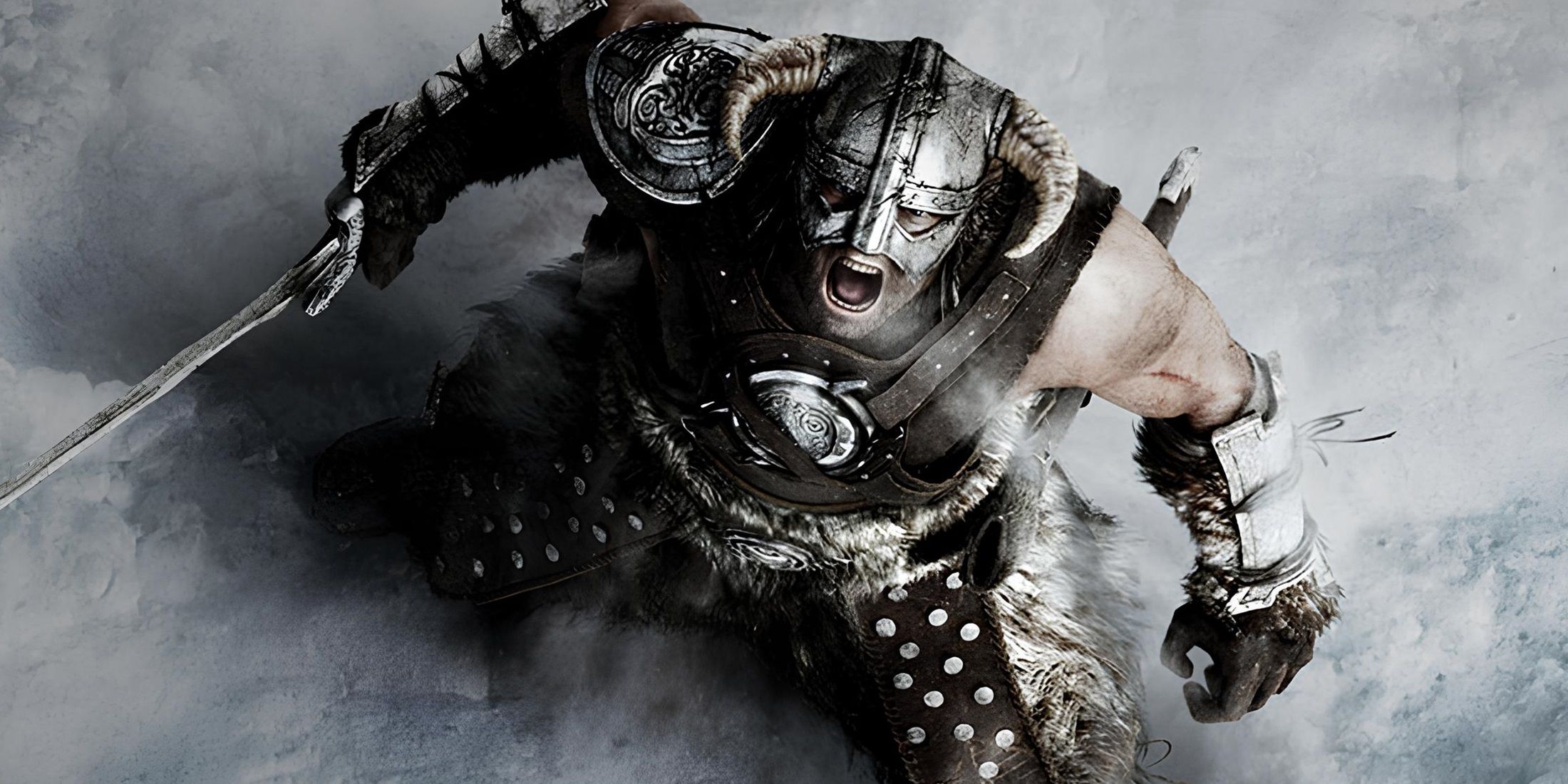
In one of the most disturbing cases of digital misidentification in recent Canadian legal history, a single missing underscore in a username inspired by the popular video game Skyrim resulted in an innocent man spending 18 months behind bars. Brandon Klayme, a Canadian citizen with no prior criminal record, found his life completely upended when law enforcement officers confused him with the actual target of their 2018 investigation. The case has since become a cautionary tale about the dangers of relying too heavily on digital evidence without proper verification protocols, raising serious questions about investigative procedures in the age of online anonymity.
The nightmare began when police launched an investigation targeting a specific user on Kik, a popular messaging application that gained widespread use in the 2010s. The suspect they were searching for used a username derived from Skyrim, the massively successful 2011 fantasy role-playing game developed by Bethesda Game Studios. However, a critical typographical error—the omission of a single underscore character—led investigators to identify Klayme as their suspect instead of the actual perpetrator. This seemingly minor mistake would prove catastrophic for an innocent man who happened to share a similar gaming-inspired username on the platform.
The Investigation and Wrongful Arrest
The investigation that ensnared Klayme was part of broader law enforcement efforts to identify and apprehend individuals suspected of serious online crimes. Kik, which was particularly popular among younger users, had become a focus for authorities due to its reputation for user anonymity. When investigators obtained what they believed was identifying information connected to the suspicious account, they moved forward with building a case against Klayme without conducting sufficient additional verification. The warrant was executed, and Klayme was arrested, beginning what would become an 18-month ordeal in the Canadian prison system.
Throughout his incarceration, Klayme maintained his innocence, but the wheels of justice moved slowly. The prosecution’s case rested heavily on the digital evidence linking the username to his identity, and initial appeals fell on deaf ears. Legal experts have noted that cases involving digital evidence often present unique challenges, as juries and judges may not fully understand the technical nuances that can mean the difference between guilt and innocence. In this instance, the difference was literally a single character—an underscore that separated an innocent gamer from a criminal suspect.
The Gaming Connection and Digital Identity
The Skyrim connection in this case highlights the cultural impact of video games on modern identity formation. Released in November 2011, The Elder Scrolls V: Skyrim became one of the best-selling video games of all time, with over 60 million copies sold worldwide. The game’s rich fantasy world inspired countless players to create usernames, avatars, and online personas based on its characters, locations, and lore. This widespread adoption of gaming-inspired identities means that similar usernames are incredibly common across social media platforms and messaging applications, making precise identification crucial in any investigation.
Digital forensics experts have long warned about the potential for misidentification when usernames are the primary evidence linking suspects to criminal activity. Unlike fingerprints or DNA, digital identifiers can be remarkably similar, with variations as small as a single character distinguishing completely different individuals. The Klayme case represents a worst-case scenario where investigative shortcuts and insufficient verification protocols combined to produce a devastating miscarriage of justice. Privacy advocates have pointed to this case as evidence that law enforcement agencies need more rigorous training in digital investigation techniques.
Aftermath and Calls for Reform
Following the revelation of the error that led to his wrongful imprisonment, Klayme was released, but the damage to his life was already done. Eighteen months of incarceration can result in job loss, destroyed relationships, psychological trauma, and lasting stigma that follows individuals long after their release. Wrongful conviction advocacy groups have taken up his case as an example of systemic failures in the criminal justice system, particularly regarding the handling of digital evidence. Legal experts are now calling for mandatory verification protocols that would require investigators to corroborate digital identifiers through multiple independent sources before making arrests.
The case has also prompted discussions about the accountability of law enforcement agencies when investigative errors lead to wrongful imprisonment. In Canada, as in many jurisdictions, victims of wrongful conviction may be entitled to compensation, but the process of obtaining such relief can be lengthy and uncertain. Meanwhile, the actual perpetrator that investigators originally sought may have continued their activities while an innocent man sat in prison. This case serves as a stark reminder that in our increasingly digital world, the consequences of a single typo can be life-altering, and justice systems must evolve to address the unique challenges posed by online evidence.
Expert Opinion: This case represents a critical inflection point for digital forensics standards in criminal investigations. As our identities become increasingly intertwined with online platforms, law enforcement agencies worldwide must implement mandatory multi-factor verification protocols before pursuing charges based on digital evidence. We can expect to see significant legal reforms and training requirements emerge from cases like Klayme’s, though tragically, such changes often come only after innocent individuals have already suffered irreparable harm.