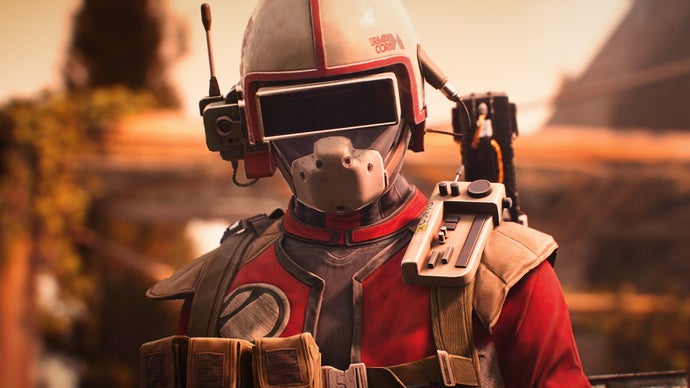

In a move that could fundamentally reshape the intersection of entertainment and interactive media, Disney’s substantial investment in Epic Games is beginning to reveal its ambitious scope. Two and a half years ago, the entertainment giant poured $1.5 billion into Epic Games, the creator of the wildly popular Fortnite and operator of the Epic Games Store. This strategic partnership was described as an effort to “create a universe that merges gaming, storytelling, and community creative expression” — language that unmistakably echoes the much-discussed concept of the metaverse.
The investment marked one of Disney’s largest bets on the gaming industry, signaling a significant shift in how the company views interactive entertainment as part of its future. While Disney has historically licensed its intellectual properties to game developers, this partnership with Epic Games represents a more hands-on approach to shaping digital experiences. The collaboration leverages Disney’s unmatched library of beloved franchises — from Marvel and Star Wars to Pixar and the classic Disney catalog — combined with Epic’s technical prowess and massive player base.
The Rise of Gaming as Entertainment’s New Frontier
The gaming industry has undergone a remarkable transformation over the past decade, evolving from a niche hobby into a dominant force in global entertainment. In 2024, the worldwide gaming market was valued at over $180 billion, surpassing both the film and music industries combined. This explosive growth has not gone unnoticed by traditional media companies, with Disney recognizing that engaging younger audiences increasingly means meeting them where they spend their time — in virtual worlds and interactive experiences.
Epic Games has positioned itself at the forefront of this evolution. Fortnite, which launched in 2017, has transcended its origins as a battle royale shooter to become a cultural phenomenon and social platform. The game has hosted virtual concerts featuring artists like Travis Scott and Ariana Grande, premiered movie trailers, and created crossover events with countless entertainment franchises. With over 500 million registered accounts, Fortnite represents exactly the kind of engaged, creative community that Disney hopes to tap into.
Metaverse Ambitions in a Post-Hype Era
The partnership’s emphasis on merging gaming, storytelling, and community creativity bears striking resemblance to metaverse concepts that dominated tech conversations in 2021 and 2022. While the metaverse hype has cooled considerably — particularly following Meta’s struggles with its virtual reality ambitions — the underlying vision of persistent, interconnected digital worlds remains compelling to major corporations. Disney and Epic appear to be taking a more pragmatic approach, building on Fortnite’s existing infrastructure rather than attempting to create an entirely new virtual reality platform from scratch.
Industry analysts suggest this strategy could prove more successful than the grand metaverse promises that failed to materialize elsewhere. Epic’s Unreal Engine, one of the most sophisticated game development tools available, provides the technical foundation for creating immersive experiences. Combined with Disney’s storytelling expertise and intellectual property portfolio, the partnership has the potential to deliver on metaverse-adjacent promises without the baggage of that increasingly tarnished buzzword. The key difference lies in execution: rather than building virtual worlds and hoping users will come, Disney and Epic are integrating these experiences into platforms where millions of players already gather daily.
What This Means for the Future of Entertainment
The implications of the Disney-Epic partnership extend far beyond gaming. As the lines between films, television, games, and social media continue to blur, this collaboration could establish a new template for how entertainment companies engage with audiences. Imagine exploring a virtual Star Wars planet with friends, attending a Marvel-themed concert, or building your own Disney-inspired worlds using Epic’s creative tools — all within a unified digital ecosystem. Such experiences would represent a fundamental evolution in how stories are told and consumed, transforming passive viewers into active participants.
However, challenges remain. Creating genuinely compelling interactive experiences requires more than simply transplanting existing franchises into game environments. The partnership must deliver innovative gameplay and meaningful creative opportunities to capture the imagination of increasingly sophisticated digital audiences. As both companies continue developing their shared vision, the entertainment industry watches closely to see whether this ambitious bet will indeed revolutionize how we play, create, and connect in digital spaces.
Expert Opinion: The Disney-Epic partnership represents a calculated long-term investment rather than a quick return venture. Given Epic’s proven ability to create sticky, culturally relevant experiences and Disney’s unparalleled content library, this collaboration is well-positioned to define what entertainment looks like for the next generation. Success will ultimately depend on whether they can create experiences that feel genuinely innovative rather than merely promotional — a balance few entertainment companies have achieved in gaming.