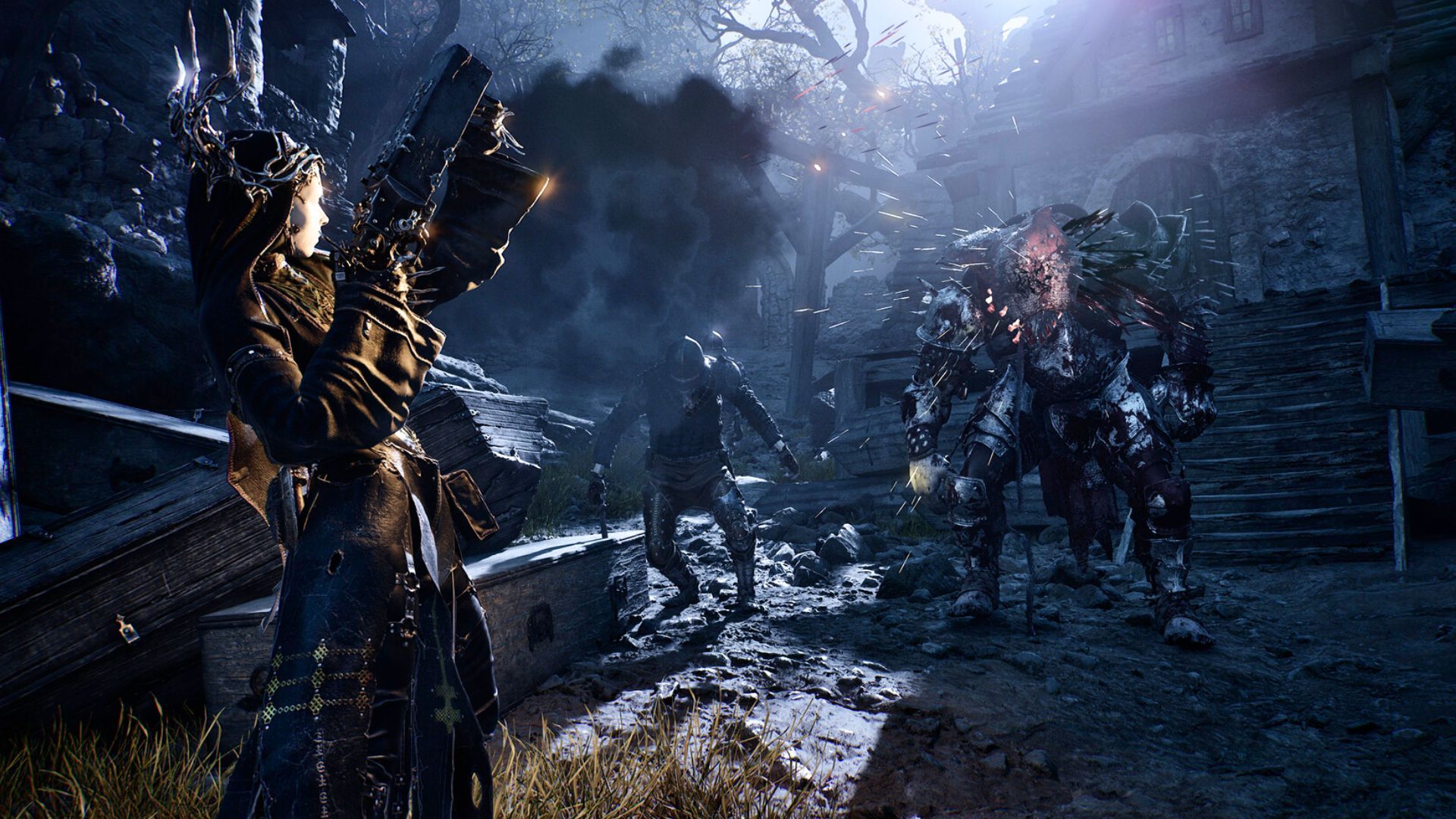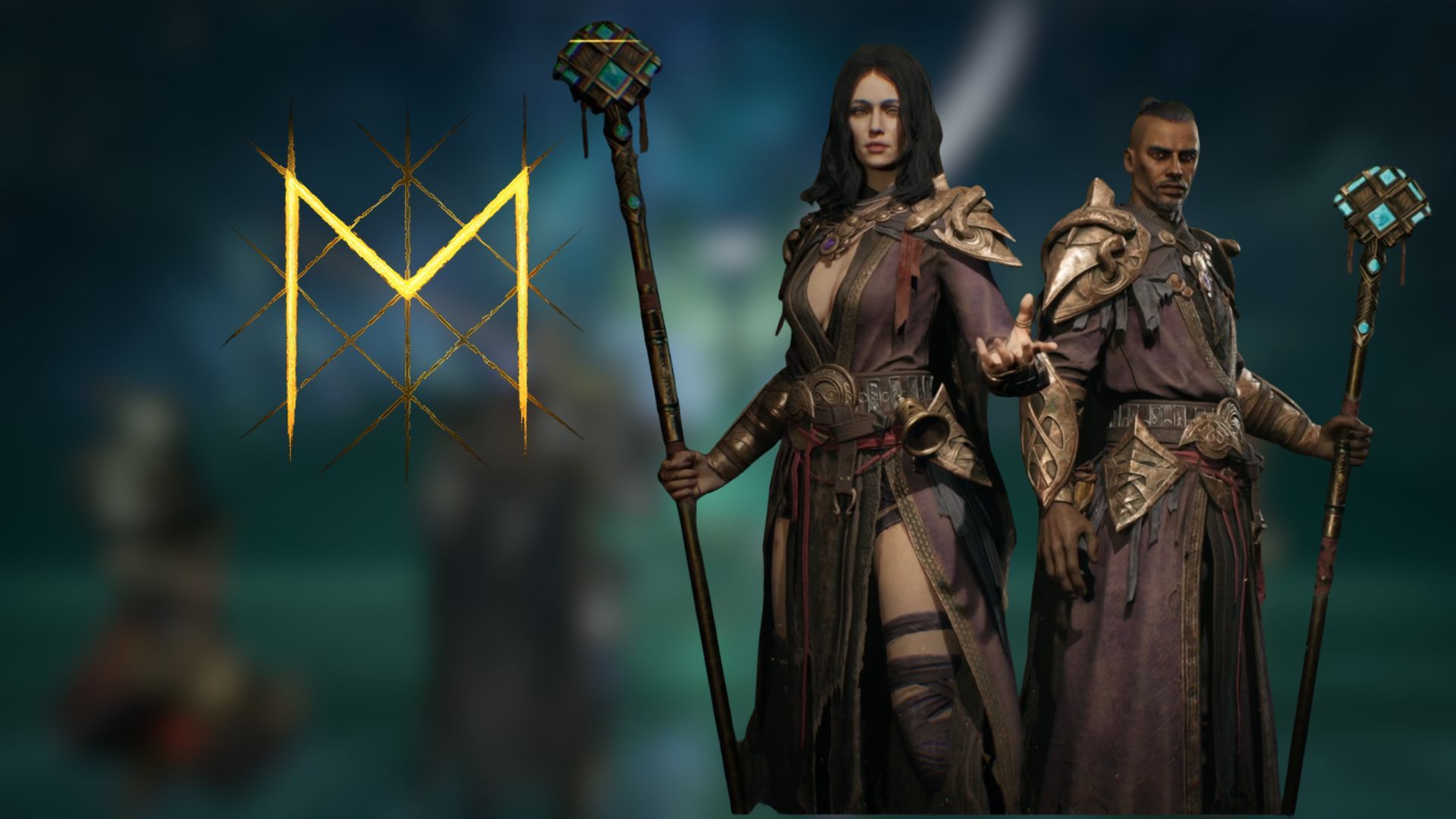
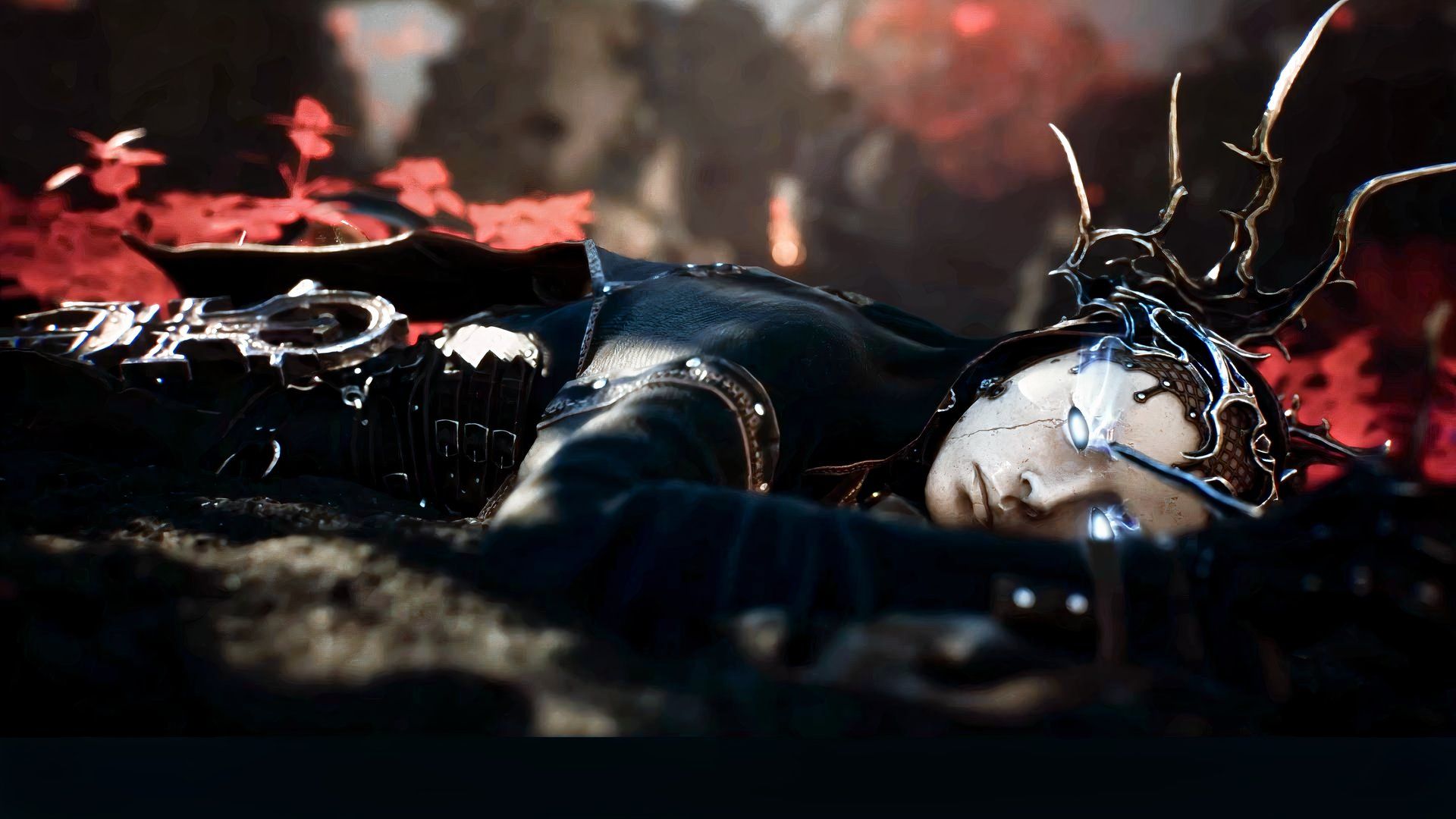
The Soulslike genre has exploded in popularity over the past decade, with countless developers attempting to capture the magic that FromSoftware pioneered with the Dark Souls series. Among the most promising contenders in this crowded field is Cold Symmetry, the independent studio that burst onto the scene with their debut title, Mortal Shell, back in 2020. Now, the team returns with Mortal Shell II, a sequel that aims to build upon everything that made the original a cult favorite while addressing its shortcomings. In this comprehensive review, we dive deep into Cold Symmetry’s ambitious follow-up to examine whether it lives up to the considerable hype that has been building since the open beta captured players’ attention.
The original Mortal Shell earned praise for its unique shell-swapping mechanic, atmospheric world design, and punishing yet rewarding combat system. For a small team of approximately fifteen developers, it was a remarkable achievement that demonstrated a deep understanding of what makes the Soulslike formula work. The sequel arrives with heightened expectations, as the studio has grown and refined their vision based on years of community feedback and their own creative ambitions.
Story and Setting: A World Shrouded in Mystery
Mortal Shell II continues the tradition of environmental storytelling that has become a hallmark of the Soulslike genre. The game drops players into a beautifully realized dark fantasy world that feels both familiar and refreshingly original. Cold Symmetry has expanded the lore significantly, offering more context and backstory than the original while still maintaining that sense of mystery that keeps players theorizing and exploring every corner of the map. The narrative unfolds through item descriptions, cryptic NPC dialogue, and the environment itself, rewarding observant players who take the time to piece together the fragments of this shattered world.
The setting showcases a variety of biomes that range from decaying cathedrals and twisted forests to entirely new locations that demonstrate the team’s growing artistic confidence. Each area tells its own story of civilizations lost to corruption and cosmic horror, with visual design that rivals productions from much larger studios. The atmospheric presentation is enhanced by a haunting soundtrack that perfectly complements the oppressive yet alluring environments that players must navigate.
Gameplay and Combat: Refined and Expanded
The core gameplay loop of Mortal Shell II will feel immediately familiar to veterans of the first game, but Cold Symmetry has implemented numerous refinements that elevate the experience considerably. The shell system returns, allowing players to inhabit different fallen warriors, each with unique abilities, stats, and playstyles. However, the sequel introduces several new shells alongside returning favorites, giving players more options for tailoring their experience to their preferred combat approach. The hardening mechanic, which allows players to turn to stone momentarily to absorb attacks, remains a defining feature that distinguishes Mortal Shell from other entries in the genre.
Combat feels weighty and deliberate, demanding patience and careful observation of enemy attack patterns. Boss encounters are spectacular showcases of design creativity, featuring multi-phase battles that test everything players have learned throughout their journey. The weapon variety has been expanded significantly, and each armament features its own upgrade path and special abilities that encourage experimentation. Quality of life improvements address many criticisms of the original, including better checkpoint placement and more intuitive progression systems.
Performance and Technical Aspects
From a technical standpoint, Mortal Shell II represents a significant step forward for Cold Symmetry. The game runs smoothly on current-generation hardware, with stable frame rates and impressive visual fidelity that brings the grim world to life. Loading times are minimal, keeping players immersed in the experience without frustrating interruptions. The attention to detail in character models, environmental textures, and lighting effects demonstrates the team’s commitment to delivering a polished product that can stand alongside bigger budget productions in the genre.
The controls are responsive and precise, which is essential for a game that demands exact timing and careful positioning. Cold Symmetry has also implemented accessibility options that allow a broader range of players to experience the game while maintaining the core challenge that defines the Soulslike experience. Whether playing on console or PC, Mortal Shell II delivers a technically accomplished experience that exceeds expectations for an independent production.
Expert Opinion: Mortal Shell II represents a remarkable evolution for Cold Symmetry, demonstrating that independent studios can compete directly with genre giants when armed with passion and player feedback. The sequel’s refined mechanics and expanded scope suggest the franchise has established itself as a permanent fixture in the Soulslike landscape, and future installments could potentially rival FromSoftware’s dominance if this trajectory continues.