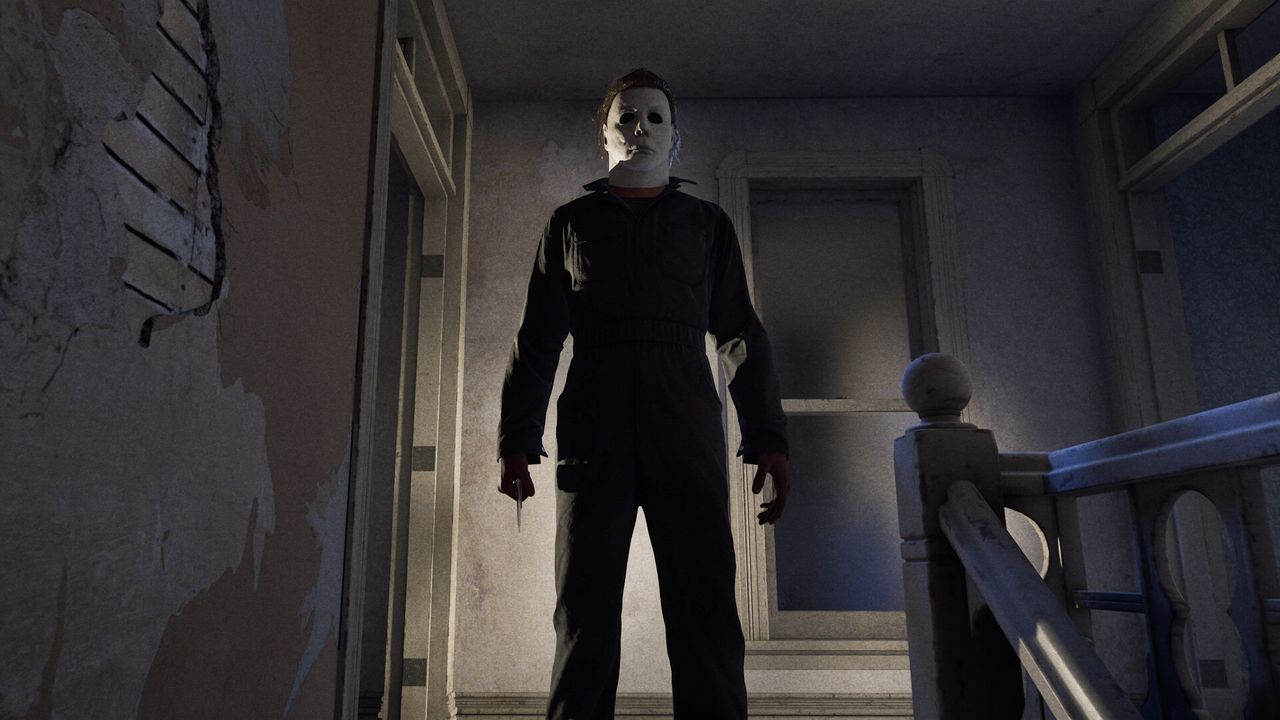
In a decision that has once again highlighted the peculiarities of Australia’s video game classification system, the upcoming multiplayer horror title Halloween: The Game has been refused classification in the country. The game, developed by Illfonic—the studio behind Friday the 13th: The Game and Predator Hunting Grounds—will not be available for purchase in Australia or New Zealand when it launches globally on September 9, 2025. What makes this ban particularly notable is the reasoning behind it: the decision had nothing to do with the game’s graphic violence or its depiction of the iconic slasher villain Michael Myers, but rather centered on how the game portrays drug use.
Illfonic confirmed the ban through the game’s official X account, expressing disappointment at the outcome despite their efforts to secure a rating. “The denial was not based on the presence of the iconic slasher, Michael Myers, or the outstanding kills that can be performed in the game, but rather the presence of a controlled substance,” the studio stated. This means that both physical and digital versions of the game will be unavailable to Australian and New Zealand consumers through legitimate channels.
The Controversial Game Mechanic Behind the Ban
The specific issue appears to stem from a gameplay mechanic that allows survivor characters to smoke marijuana, which temporarily grants them the ability to see the killer Michael Myers’ location pings across the map. According to reports from horror gaming influencer Slash ‘N Cast, this feature directly ties drug consumption to a tangible in-game advantage—a clear violation of Australia’s classification guidelines. Under the current system, games can depict drug use, but they cannot incentivize it or link it to gameplay benefits. This distinction has been the downfall of numerous titles over the years, regardless of how minor the drug-related content might seem compared to other mature themes in the game.
The Australian Classification Board operates under strict guidelines established by the Classification (Publications, Films and Computer Games) Act 1995, with video game-specific provisions added when the R18+ rating was introduced in 2013. Despite the addition of this adult rating category, which was meant to bring Australia in line with other developed nations, the rules around drug depiction remain notably restrictive. Interactive media is held to different standards than film or television, with regulators arguing that the participatory nature of video games makes incentivized drug use more concerning from a public health perspective.
A Pattern of Controversial Classification Decisions
Australia has a long and contentious history with video game bans. Before the R18+ rating was introduced, dozens of games were refused classification or required significant modifications for the Australian market. Even after the adult rating became available, titles continue to be banned or modified regularly. Notable examples include Hotline Miami 2, which developer Devolver Digital refused to censor, leading to the game remaining unavailable in Australia to this day. Other major studios have taken different approaches: Bethesda modified Fallout 3 by removing a morphine-based healing item, while Obsidian made similar adjustments to South Park: The Stick of Truth, removing an entire sequence involving alien probing.
The inconsistency in how violence versus drug content is treated has long frustrated Australian gamers and industry observers alike. Halloween: The Game, as an asymmetrical multiplayer horror title, features players taking turns as the murderous Michael Myers, performing brutal kills on survivor characters in ways faithful to the franchise’s slasher film origins. This extreme violence was deemed acceptable by classification standards, while a marijuana-smoking mechanic that provides a temporary tactical advantage was not. Critics argue this represents a fundamental imbalance in how the classification system evaluates potential harm.
Industry Response and Potential Solutions
The question now is whether Illfonic will choose to modify the game for the Australian and New Zealand markets or simply accept the loss of these territories. Creating a separate version requires additional development resources and ongoing maintenance to keep multiple builds synchronized. Some studios view this as worthwhile given Australia’s gaming market, which generated approximately $4 billion in revenue in 2024. Others, particularly smaller developers, may decide the cost-benefit analysis doesn’t justify the effort.
As of the ban’s announcement, listings for Halloween: The Game have already been removed from major Australian retailers including EB Games and JB Hi-Fi. The PlayStation Store landing page has become inaccessible to Australian users. Interestingly, Steam has not yet acted on the ban, though historically the platform does eventually comply with local classification decisions. For Australian fans of the Halloween franchise and asymmetrical horror games, the situation represents another frustrating reminder of their country’s unique position in the global gaming landscape—one where Michael Myers can brutally murder victims in countless creative ways, but survivors cannot smoke a joint to gain a tactical edge against him.
Expert Opinion: This classification decision underscores the urgent need for Australia to modernize its interactive media guidelines, which remain anchored in outdated assumptions about gaming’s influence on behavior. As the global games industry continues to mature and attract mainstream adult audiences, Australia’s rigid stance on drug depiction—while paradoxically permitting extreme violence—increasingly isolates its market and frustrates both consumers and developers. Without legislative reform, expect more high-profile bans that highlight this regulatory disconnect.