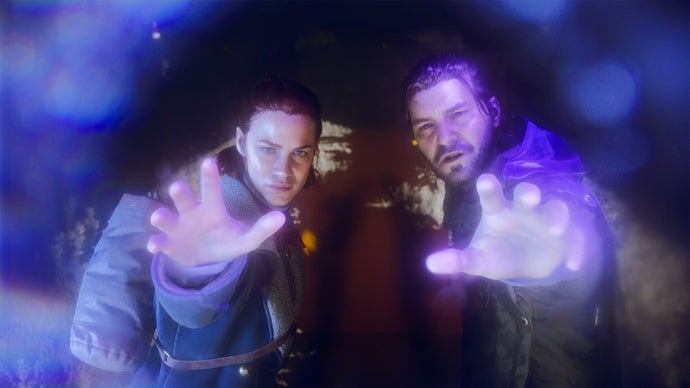
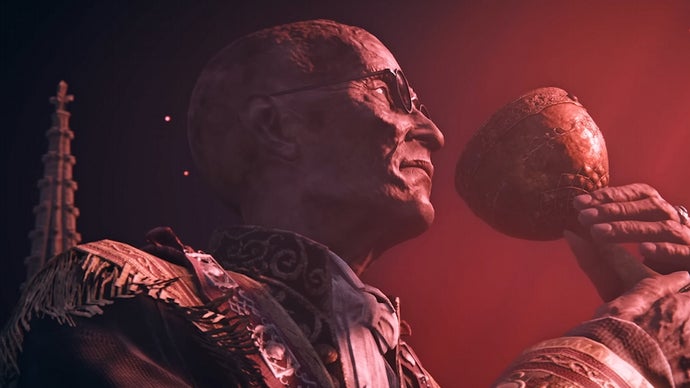
FromSoftware’s legendary game director Hidetaka Miyazaki has revealed that his upcoming title, The Duskbloods, draws significant inspiration from his personal experiences with tabletop role-playing games. The acclaimed creator behind Dark Souls, Bloodborne, and Elden Ring continues to push creative boundaries by incorporating elements from traditional pen-and-paper gaming into his latest digital adventure. This fusion of gaming mediums represents a fascinating evolution in Miyazaki’s design philosophy, one that promises to deliver an experience unlike anything the studio has created before.
Miyazaki has long been open about his love for tabletop gaming, citing it as one of the foundational influences on his approach to game design. The director has previously mentioned how the collaborative storytelling aspects of tabletop RPGs, combined with the freedom they offer players to interpret narratives in their own way, have shaped the famously cryptic storytelling style that FromSoftware games are known for. In The Duskbloods, this connection becomes even more explicit, with specific game mechanics and narrative elements directly transplanted from Miyazaki’s tabletop sessions with friends and colleagues.
A Legacy Built on Tabletop Foundations
The relationship between FromSoftware’s games and tabletop gaming runs deeper than many players might realize. The Souls series has always featured elements reminiscent of classic tabletop RPGs, from the stat-based character building to the way environmental storytelling requires players to piece together lore from scattered fragments. This design approach mirrors how a skilled dungeon master might reveal world details gradually, allowing players to construct their own understanding of the narrative. Miyazaki’s appreciation for games like Dungeons and Dragons, as well as lesser-known tabletop systems, has been instrumental in creating the mysterious atmospheres that define his work.
Industry analysts have noted that The Duskbloods announcement comes at a time when the boundaries between digital and tabletop gaming are increasingly blurring. Board games and tabletop RPGs have experienced a renaissance in recent years, with sales reaching record highs globally. Many video game developers are now looking to these traditional formats for inspiration, recognizing the unique engagement they foster among players. FromSoftware’s decision to lean heavily into this influence represents a significant creative statement about the enduring value of analog gaming experiences in shaping digital entertainment.
What Players Can Expect
While specific details about The Duskbloods remain closely guarded, the emphasis on tabletop influences suggests players might encounter more emergent gameplay scenarios and narrative flexibility than in previous FromSoftware titles. The studio has historically excelled at creating worlds that feel lived-in and mysterious, and incorporating direct tabletop elements could amplify these qualities significantly. Features commonly associated with tabletop gaming, such as dynamic storytelling, cooperative elements, and perhaps even procedural content generation, could all potentially find their way into the final product.
FromSoftware’s track record of delivering critically acclaimed and commercially successful titles has established them as one of the most respected studios in the industry. Since the release of Demon’s Souls in 2009, the company has consistently pushed the boundaries of action RPG design, creating a subgenre often referred to as “Soulslike” that has inspired countless imitators. With The Duskbloods, Miyazaki appears ready to once again redefine expectations, this time by more explicitly bridging the gap between the digital and physical gaming worlds that have shaped his creative vision throughout his career.
Expert Opinion: The Duskbloods represents a potentially transformative moment for action RPG design. By explicitly incorporating tabletop gaming elements, Miyazaki may be pioneering a new approach that combines the tactile, imagination-driven experience of physical games with the visual and mechanical possibilities of digital media. This could establish a new template for how developers approach world-building and player agency in narrative-driven games, potentially influencing the industry for years to come.