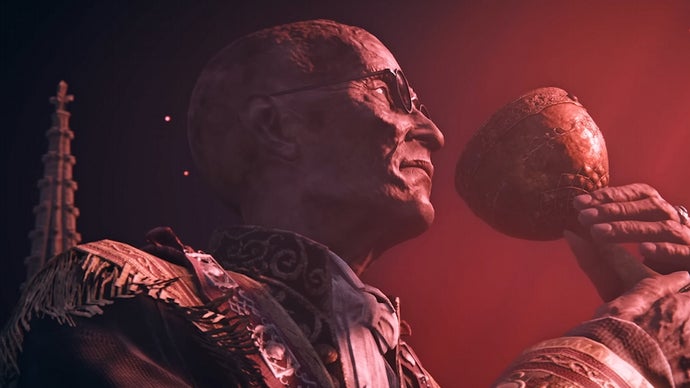
Fans of the beloved fantasy franchise have been eagerly awaiting any news about the next installment in The Witcher series, and CD Projekt Red has finally delivered a crucial update. The Polish game developer has announced a tentative release window for The Witcher 4, revealing that the highly anticipated title is targeting a 2028 launch. While this isn’t a firm release date — which would have been extraordinary news indeed — it provides fans with their first concrete timeline for when they can expect to return to the monster-hunting world that has captivated millions of players worldwide.
The announcement effectively rules out both 2025 and 2027 as potential release years, giving players a clearer picture of the development timeline. This three-year window might seem distant to eager fans, but it aligns with the studio’s commitment to delivering a polished, ambitious product that lives up to the legacy of The Witcher 3: Wild Hunt, widely considered one of the greatest role-playing games ever made.
A New Chapter in The Witcher Saga
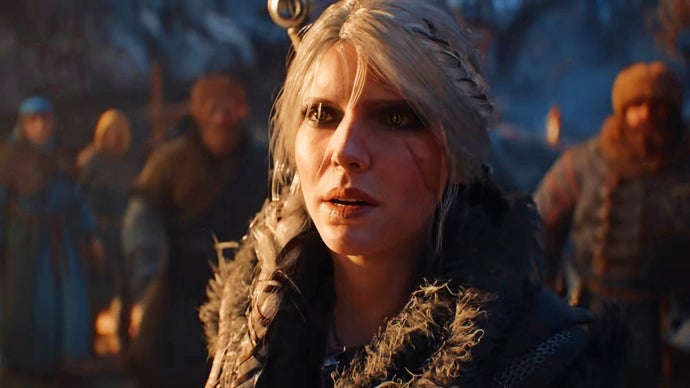
The Witcher 4 represents a significant new direction for the franchise. Unlike previous entries that followed the legendary monster hunter Geralt of Rivia, this new installment will feature Ciri as the protagonist. This shift was teased in the game’s initial reveal trailer, which showed Ciri performing what appeared to be a witcher trial ritual in a snowy mountain setting. The decision to move away from Geralt makes narrative sense, as The Witcher 3 provided a definitive conclusion to his story arc, and Ciri’s character offers fresh storytelling possibilities while maintaining connections to the established universe.
CD Projekt Red has been notably secretive about specific gameplay details and story elements, though they have confirmed that the game is being developed using Unreal Engine 5 — a departure from the proprietary REDengine used in previous titles. This technological shift represents a major investment in the studio’s future and suggests they are building infrastructure for long-term development across multiple projects.
CD Projekt Red’s Road to Redemption
The extended development timeline reflects lessons learned from the troubled launch of Cyberpunk 2077 in December 2020. That release was marred by severe technical issues, particularly on last-generation consoles, leading to unprecedented refund offers and temporary removal from the PlayStation Store. The backlash damaged the studio’s reputation significantly, though subsequent updates and the well-received Phantom Liberty expansion have helped restore consumer confidence. The 2028 target for The Witcher 4 suggests CD Projekt Red is prioritizing thorough development and testing over rushing to market.
The studio has undergone significant internal restructuring since the Cyberpunk launch, implementing new development practices and quality assurance protocols. CEO Adam Kiciński has repeatedly emphasized that the company will not repeat past mistakes, and the generous timeline for The Witcher 4 appears to reflect this commitment. Industry analysts have noted that allowing adequate development time is crucial for ambitious open-world RPGs, which typically require five to seven years of production.
The Broader Witcher Universe Expansion
The Witcher 4 is just one part of CD Projekt Red’s ambitious plans for the franchise. The company has announced an entire trilogy of new Witcher games under the codename “Polaris,” with The Witcher 4 serving as the first entry. Additionally, separate projects codenamed “Canis Majoris” and “Sirius” are in development at partner studios, expanding the universe further. This multi-project approach demonstrates the studio’s confidence in the franchise’s commercial viability and their desire to establish The Witcher as a lasting gaming institution comparable to other legendary RPG series.
The franchise’s cultural impact extends well beyond gaming. Netflix’s The Witcher television series, starring Henry Cavill and later Liam Hemsworth as Geralt, has introduced the property to millions of new fans worldwide. Andrzej Sapkowski’s original book series, which inspired the games, has seen renewed commercial success, with translations available in dozens of languages. This multimedia presence ensures continued interest in The Witcher 4, even with a release date several years away.
Expert Opinion: The 2028 release window demonstrates CD Projekt Red’s measured approach to development following the Cyberpunk 2077 debacle. By setting realistic expectations early, the studio is managing fan anticipation while giving themselves adequate time to deliver a technically sound product. If successful, The Witcher 4 could reestablish CD Projekt Red as the premier developer of narrative-driven RPGs and set new standards for the genre in the next console generation.