
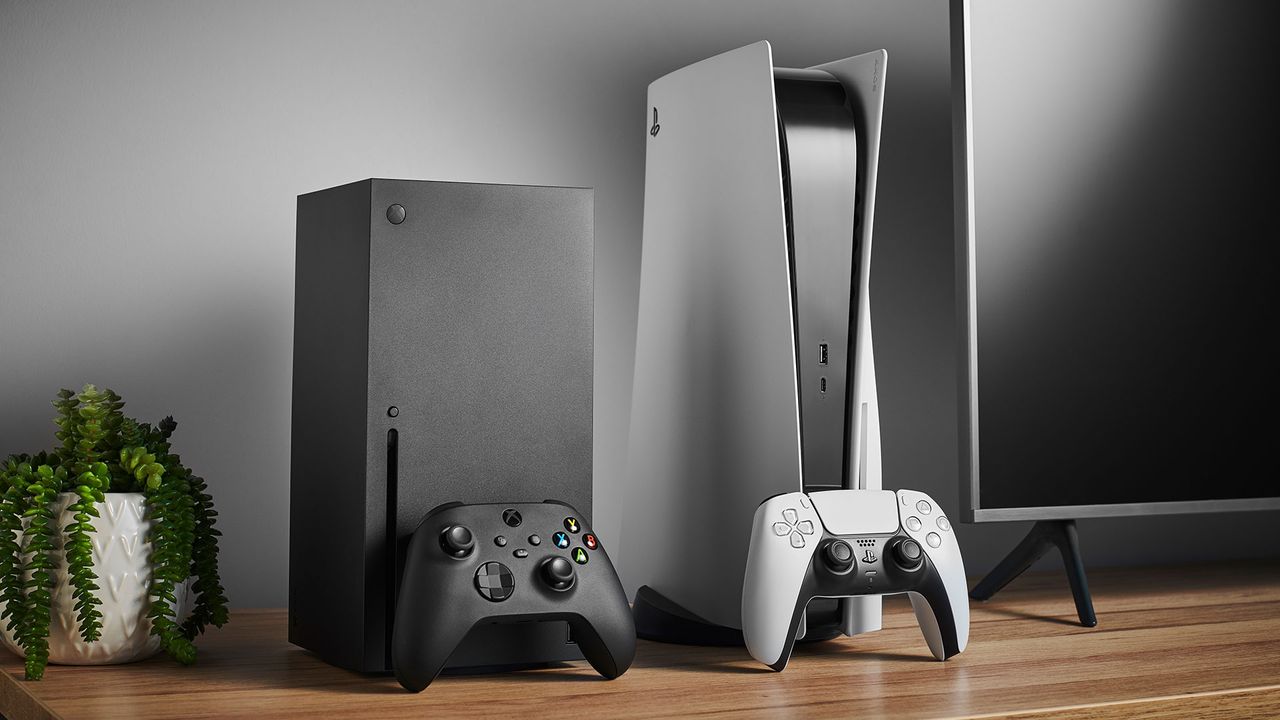
The video game console industry finds itself navigating turbulent waters as manufacturing costs continue to climb amid global RAM shortages and escalating trade tensions. However, Unity Technologies CEO Matthew Bromberg maintains an optimistic outlook on the future of console gaming, predicting that current cost pressures are merely temporary obstacles in an industry poised for unprecedented growth and innovation. While his perspective carries inherent bias as the leader of a publicly traded company that produces one of gaming’s most widely used development engines, Bromberg’s unique vantage point offers insights that industry observers cannot easily dismiss.
The current state of console hardware manufacturing presents significant challenges for the three major platform holders. Nintendo, PlayStation, and Xbox have all implemented substantial price increases over the past year, with Sony and Microsoft raising prices multiple times in rapid succession. These increases stem from a perfect storm of factors: component shortages driven by the explosive growth of artificial intelligence data centers competing for the same memory chips, the proliferation of increasingly memory-intensive consumer devices, and tariffs implemented by the Trump Administration that have disrupted global supply chains. These compounding pressures have created an environment where console prices are trending upward rather than following the traditional pattern of declining costs over a generation’s lifecycle.
The Unprecedented Economics of Modern Console Production
The situation has become so challenging that Sony has announced plans to discontinue physical game disc production by 2028, signaling the company’s intention to launch the next PlayStation generation as a digital-only platform. This decision likely reflects multiple factors, including rising manufacturing costs, changing consumer preferences, and the desire to maintain tighter control over the software ecosystem. Bromberg acknowledges the severity of the current situation in an interview with The Game Business, stating that console hardware is facing “genuine cost pressure” unlike anything the industry has experienced before. “It’s unprecedented and it’s wacky,” he explained. “The idea that things get more expensive is the upside down of how it usually works.”
Despite these challenges, Bromberg remains convinced that console gaming will continue to thrive. He points to highly anticipated releases like Grand Theft Auto 6 as evidence that demand for premium console experiences remains strong. “That doesn’t mean that great console entertainment isn’t going to be consumed in massive quantities, and we’ll see that with GTA,” he noted. The upcoming Rockstar Games title, which has generated enormous anticipation since its announcement, could indeed prove to be a bellwether for consumer appetite for blockbuster console experiences regardless of hardware pricing. Historically, major releases have driven significant hardware sales, and GTA 6 may well demonstrate that compelling content can overcome economic headwinds.
Demographic Shifts and the Future of Console Gaming
One of the more concerning trends Bromberg acknowledges is the demographic shift in gaming audiences. Unlike previous generations, younger consumers are not replacing aging gamers in the console market at historical rates, instead gravitating toward mobile gaming and other forms of digital entertainment. This generational shift poses long-term questions about the console gaming audience, particularly as smartphones and tablets continue to offer increasingly sophisticated gaming experiences. However, Bromberg maintains confidence that the industry will adapt, stating that “the platform is vibrant” and predicting that developers “will make games that will attract younger consumers over time.”
Looking ahead, Bromberg offers bold predictions about the future quality of gaming experiences. He challenges nostalgic perspectives on game development, suggesting that the industry’s best days lie ahead rather than behind. “There will be better, more engaging games built over the next ten years than were ever built over the prior ten,” he asserted. “We’re just beginning to scratch the surface of the level of persuasion and the intensity of engagement that we’re going to achieve. It’s crazy to think that the best years of this business are not in front of us.” These predictions align with ongoing advances in game engine technology, artificial intelligence integration in development workflows, and increasingly powerful hardware capabilities that enable more immersive experiences.
The $1,000 Console Question
The stakes surrounding these predictions are particularly high given analyst projections about next-generation console pricing. Some industry analysts have warned that both the PlayStation 6 and the next Xbox (reportedly codenamed Project Helix) could launch at price points approaching $1,000, a dramatic increase from current generation pricing. Such elevated costs could significantly dampen adoption rates, with some forecasts suggesting that five-year sales for the next generation could be 40% lower than the PlayStation 5 era if prices reach those heights. Whether Bromberg’s optimistic vision materializes or the industry faces a more challenging reality will likely depend on factors beyond any single company’s control, including global semiconductor supply chains, trade policy developments, and ultimately whether consumers remain willing to invest in premium gaming experiences at premium prices.
Expert Opinion: The console gaming industry stands at a critical inflection point where traditional business models face unprecedented pressure from manufacturing economics and shifting demographics. While Bromberg’s optimism may prove well-founded if breakthrough titles like GTA 6 demonstrate continued consumer appetite for premium experiences, the industry must urgently address the generational gap in console adoption before mobile gaming permanently captures the younger demographic. The next 18-24 months will be decisive in determining whether console gaming remains a mass-market entertainment medium or transitions toward a premium niche serving dedicated enthusiasts.