
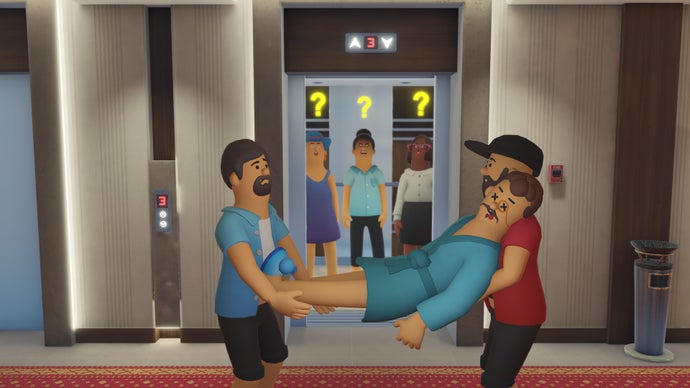
Walking through the crowded halls of Gamescom, it’s easy to pass by countless booths with only a fleeting glance. But sometimes, a game catches your attention and demands a closer look. That’s exactly what happened with “We Are So Cooked,” a chaotic cooking game developed by Indian studio Dwarven Brothers, based in the small town of Tenkasi in Tamil Nadu. The game has already amassed over 500,000 wishlists on Steam, marking a significant milestone for India’s emerging game development scene. Deepak Gurijala from 1312 Interactive, the publisher handling the game’s release, was on hand to discuss the title and share insights about the rapidly evolving gaming landscape in India.
India’s Gaming Industry Emerges on the Global Stage
India’s video game industry has experienced remarkable growth over the past decade, transforming from a market dominated by mobile gaming into a burgeoning hub for game development. With over 500 million gamers and a market value projected to exceed $8 billion by 2027, India represents one of the fastest-growing gaming markets in the world. However, the country has historically been known more for consuming games than creating them. Studios like Dwarven Brothers are working to change that narrative, proving that Indian developers can create titles that resonate with global audiences.
The success of “We Are So Cooked” is particularly noteworthy given the challenges faced by Indian game developers. Unlike established gaming nations such as Japan, the United States, or European countries, India lacks the extensive infrastructure and investment ecosystem that supports game development elsewhere. Many talented developers have traditionally sought opportunities abroad, but a new generation is choosing to build their careers at home, inspired by the potential to create something uniquely Indian while appealing to international players.
What Makes “We Are So Cooked” Stand Out
“We Are So Cooked” falls into the beloved party game genre, drawing comparisons to titles like Overcooked while carving out its own identity. The game features frantic multiplayer gameplay where players must work together—or hilariously fail together—in increasingly chaotic kitchen scenarios. What sets it apart is the distinctive visual style and humor that reflects its Indian origins, bringing fresh perspectives to a well-established genre. The game’s title itself plays on popular internet slang, immediately connecting with younger gaming audiences who appreciate self-aware, meme-influenced content.
The half-million wishlist milestone represents more than just numbers; it signals genuine interest from the global gaming community. Steam wishlists are often considered a reliable indicator of a game’s potential commercial success, with industry analysts suggesting that games typically convert between 10-20% of wishlists into actual sales at launch. For an indie studio from a small Indian town, achieving this level of anticipation before release demonstrates the democratizing power of digital distribution platforms.
The Future of Game Development in India
The conversation with Deepak Gurijala revealed broader insights about gaming culture in India. The country’s gaming community has evolved significantly, moving beyond mobile-first experiences toward PC and console gaming. International publishers are increasingly looking to India not just as a market for sales but as a source of creative talent. Companies like 1312 Interactive play a crucial role in this ecosystem, helping bridge the gap between Indian developers and global audiences by providing publishing expertise, marketing support, and distribution networks.
Government initiatives have also begun supporting the gaming industry, recognizing its potential for job creation and economic growth. Several Indian states have announced gaming policies and incentives for developers, while private investment in gaming startups has increased substantially. Events like Gamescom provide invaluable opportunities for Indian studios to showcase their work to international audiences, attract potential partners, and learn from global industry trends. As “We Are So Cooked” prepares for launch, it carries the hopes of an entire generation of Indian developers eager to prove that world-class games can come from anywhere—even a small town in Tamil Nadu.
Expert Opinion: The success of “We Are So Cooked” signals a pivotal moment for India’s game development industry. As infrastructure improves and more success stories emerge, we can expect India to become a significant player in global game production within the next five years. The combination of a massive domestic talent pool, lower development costs, and unique cultural perspectives positions Indian studios to carve out a distinctive niche in the international gaming market.


